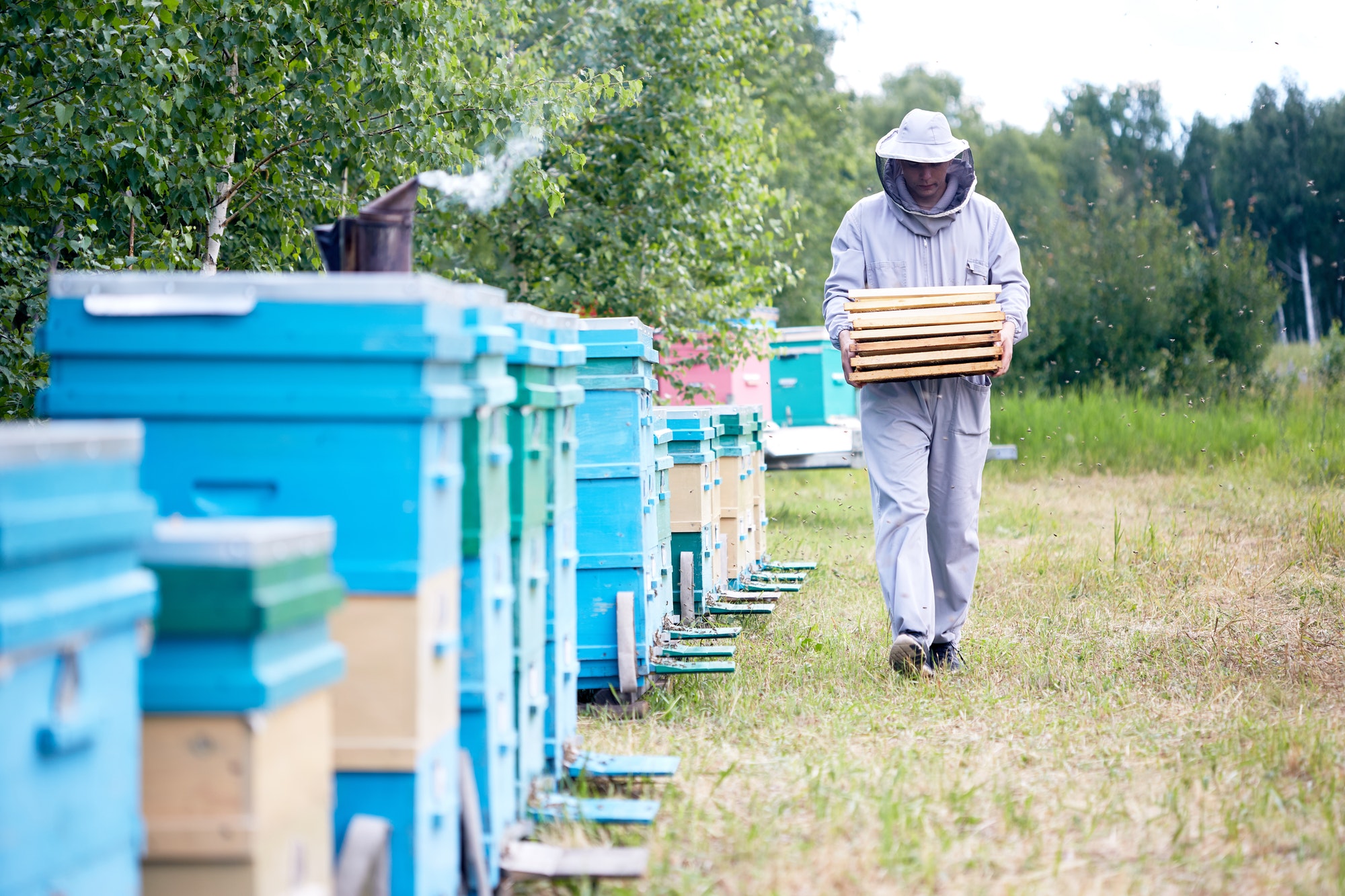
“Good” and “Work” represent the central organizing ideas I’ve been working on for several decades.
To help others understand “good work” I suggest looking first at what each component word means individually—not just to me, but to more than a thousand people I’ve been honored to mentor and coach since 1988.
Early milestones along your journey down the path to Good Work include:
A clear sense of your values
Confidence about your personal purpose
The "Work" Part: How You Make a Living
The other part of Good Work is the “work” part:
What you do for a living
How you spend your time
So you can:
Pay your bills
Support your family
Live a “good life”
Interests, Capacities, Money
As I’ve said elsewhere, for livelihood to be “Good Work “, it must be determined:
Primarily by your innate interests and capacities(that’s another piece of the “good” part).
Secondarily by the need to make money(a piece of the “work” part).
Finding Good Work, work that lets you “do what you love and still pay the bills“ may not always be easy, but it’s definitely doable.
Meaning
Finding work that feels meaningful to you is important—maybe more than money, in the long run.
That’s the “do what you love” part.
Money
Making money is important too.
That’s the “still pay the bills“ part.
Wuwei (non-action)
When to "Wei" (Action), When to "Wu" (Non)
“Careers” change, sometimes in an instant of “Aha!” insight. More often it happens through small, incremental changes in your understanding of what you want and/or what’s possible at the moment.
Sometimes you can take big leaps, but mostly you repeat tiny steps that lead you through a series of better and better situations or experiences and you learn as you go.
There are three obvious approaches you might take:
Do Nothing (wu)
Take Action (wei)
Reflect & Harmonize (wuwei)
Do Nothing (wu)
You could do nothing, just sit back and let life happen to you, responding as best you can to each opportunity or challenge.
Take Action (wei)
Having reflected on your situation and harmonized with your life, you can:
Take action
That arises naturally out of
Your reflections
What you receive as gifts from the world in the form of
Challenges
Opportunities
Reflect & Harmonize (wuwei)
You could spend some time reflecting on what you really want from life, then sit back well-informed and “pre-programmed” to give priority to specific opportunities or challenges that harmonize with your vision of life and your personal purpose and values.
A Few Starter Questions
Here are a few questions to get your reflection started:
What is my vision of life’s possibilities?
What might my personal purpose be?
How would I like to spend my time both at work and at play?
What kind of people would I like to work and/or hang out with?
What type of work would I rather do, whether mental, physical, or some combination?
Would I prefer working indoors or outdoors?
Would I rather work with people, animals, machines, or some combination of those?
What are my financial responsibilities? (cash flow and net worth)
Who’s on my team?
And so on.
It also helps to work on your own sense of when action is appropriate (wei) and when patience is called for (wu).
Intention, Choice, & Doing What Needs to Be Done
The Present Moment Awareness of mindfulness practice can give you clarity about your deepest intentions.
It can help you make better choices.
Combined with a willingness to do what needs to be done,
you will be able to find your “Good Work” . . .
. . . —work that generates a good living but also . . .
. . . allows you to develop your innate capacities . . .
. . . while you fulfill your personal purpose . . .
. . . (built upon your innate interests).
How Do You Know It's Good Work?
We’ve mentioned this elsewhere too, but it never hurts to repeat important points. The cumulative practice of the following dozen qualities helps you create your own “Good Work.”
Clear Goals
Immediate Feedback
Challenge Greater than Skill Level
When a job provides clear goals, immediate feedback, and a level of challenge slightly greaterthan your current skill level, then you have a first chance at experiencing work as “good.”
Human Pace
Awareness of Impact
Freedom to Speak
When you have the freedom to work at your own pace (not the pace of machines), when you are aware of the “downstream” impacts of your work, and when you are free to point out negative impactswithout fear of punishment or reprisal, then you have the next level of work as “good.”
Top 12 Qualities of "Good Work"
Level 1
Clear goals
Immediate feedback
Challenge greater than skill level
Level 2
Work at your own pace
Awareness of “downstream” impacts
No fear of punishment or reprisals
Level 3
Feels good
Takes care of family and friends
Benefits community and society
Level 4
You feel good about your work
Do what you love
Still pay the bills
Feels Good
Takes Care of Family
Benefits Community
When your work feels good, when it allows you to take care of family and friends, when it benefits your community and society, then you have the nearly complete formula for work that is “good.”
Do What You Love
Still Pay the Bills
When you feel good about your work, when you know that you CAN “do what you love and still pay the bills,” at last, you have a well developed picture of what “good work” looks like.
How I Can Help
The Path To Meaningful Work
Do you want to find your own right livelihood?
Do you want to break through to work that does more than pay the bills?
Work that helps people and the environment?
Work that you love?
Maybe I can help.
The Four-Step Process
To help navigate The Path to Meaningful Work, I’ve developed a simple, four-step coaching process I call Good Work Guidance™.
Step 1. You clarify your personal life purpose and the goals and objectives implied by that purpose.
Step 2. You uncover your personal strengths and weaknesses.
Step 3. You develop a plan of action that uses your strengths and compensates for your weaknesses.
Step 4. You learn to practice personal mastery through:
mindfulness
simple living
self-reliance
service to others
These practices lay the foundation for your own right livelihood.
This website and its sister ebook represent a sharing of the basic concepts and practices of The Path to Meaningful Work process. Read on to learn more.
Learn More . . .
Good Work Guidance™
For those who prefer to work for others but still want their work to be “good!”